
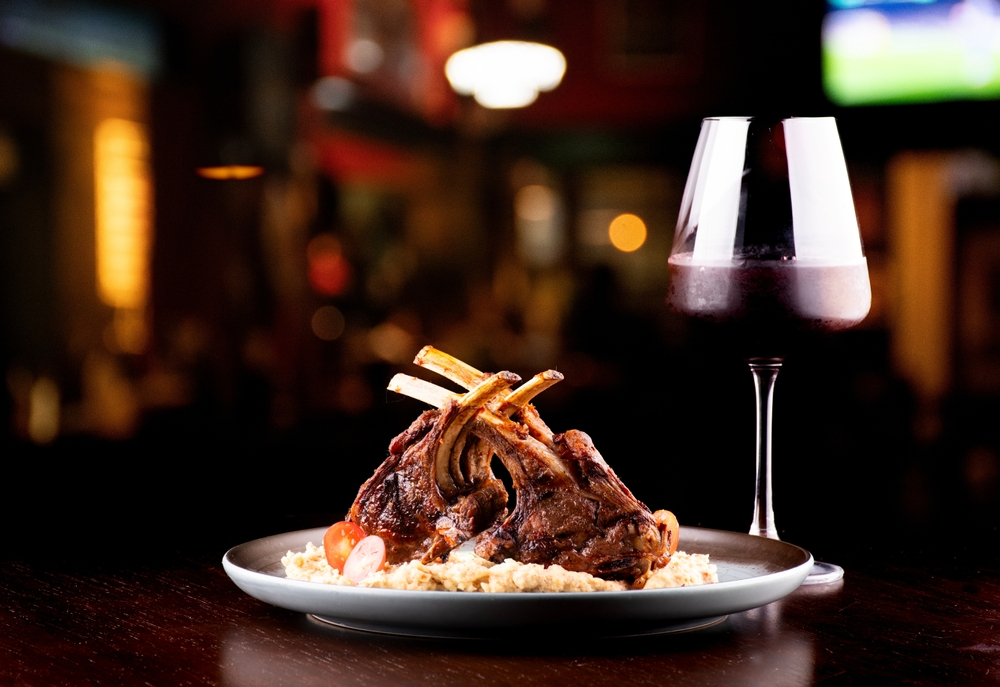
Cooking is a delicious subject that encompasses culture, food production in different regions, taste preferences, and various other influences. Pairing it with wine makes it even more alluring.
To achieve a harmonious pairing, it’s important to take into account the features of both the wine and the dish, including their structure, the sensory experiences they offer, and how they can enhance each other’s characteristics.
When evaluating wine, it is important to pay attention to its composition, including acidity, alcohol level, tannins, sweetness, and the body of the wine, which refers to its perceived weight in the mouth. This categorizes wines as light, medium, or full-bodied.
Light wines have a delicate structure, offering a subtle mouthfeel with lower alcohol content. Medium-bodied wines are more structured, providing a slightly more intense mouthfeel. Full-bodied wines, on the other hand, have a larger structure and higher alcohol content, resulting in a denser sensation in the mouth.
Different wines create varying sensations in the mouth, such as increased salivation and freshness with higher acidity, a sense of softness with round tannins, or dryness with more tannins. The alcohol content can also contribute to a feeling of warmth.
Tips for achieving harmony
Understanding the components and characteristics of wine, along with the style and source, can facilitate the process of pairing it with food. It is important to analyze the structure and intricacy of the dish, taking into account factors like spices, sauces, fat content, and protein type, as well as the overall dining experience they offer. A successful wine and food pairing occurs when the elements harmonize well, creating a balanced and complementary relationship that enhances both without overpowering, resulting in a unique and enjoyable flavor combination.
Some common pairings include spaghetti with sauce, meat and Chianti wine, ossobuco with Dolcetto red wine, game meat with Australian Shiraz, lamb with Bordeaux, meat pie with Argentine Malbec, and Parmesan cheese with Amarone.
Sweet ingredients in savory dishes pose a challenge, but they can lead to a harmonious contrast, where the differing qualities of wine and food combine to create a new flavor. Examples of this type of pairing include gorgonzola with late harvest wine, acarajé with sparkling rosé demi-sec, and cod cake with green wine.
Succulence is important for easier chewing and digestion, so if it’s lacking in food, it can be enhanced by the acidity of the wine to stimulate salivation.
Traditional pairings of food and wine from specific regions that resist change are known as classic combinations, developed over time through experimentation in the kitchen and at the table. Examples include oysters with Chablis, caviar with champagne, roast lamb with Bordeaux, foie gras with Sauternes, and goat cheese with Sancerre.
One option is to achieve harmony through similarities in the basic principles of harmonization. This approach allows for natural pairings of similar characteristics in both the food and the wine, such as pairing light dishes with light wines like Beaujolais or Pinot Noir, or pairing rich dishes with Cabernet Sauvignon. Other examples include pairing paella with rosé wine, fillet with Shiraz, and cakes or pies with Moscatéis.
When uncertain, it’s advisable to choose classic pairings to ensure a delightful dining experience. Ceviche pairs nicely with aromatic white wines, fresh salmon complements fruity whites, and carpaccio and stroganoff go well with light reds. Feijoada is best enjoyed with sparkling wines, while light meats like galeto go perfectly with whites that have good acidity or body.
Did you find the tips helpful? Now, just unleash your imagination.
Written by Marina Bufarah, who is a sommelier at the Wine Group.
- BPM Hear
- Reviews

